Imagine waking up each day in a home that perfectly aligns with your dreams and lifestyle. In today’s dynamic real estate market, finding this dream property might feel like searching for a needle in a haystack. But fear not! With the right guidance and insights, your ideal home is closer than you think.
In this guide, we’ll unravel the complexities of the current real estate landscape, empower you with the strategies to navigate through various property options, and lead you to make informed decisions that can turn your dream of owning a perfect home into a reality. Ready to embark on this journey? Let’s dive in!
Understanding the Current Real Estate Market
The real estate market today is a dynamic landscape, continuously shifting and evolving. Whether you’re a first-time buyer or a seasoned investor, understanding these trends is crucial.
Currently, the real estate market is characterized by a variety of trends that can significantly impact your decision-making process. From fluctuating home prices to the influence of economic factors, staying informed is your key to success.
Trends Shaping Today’s Real Estate Market
One of the dominant trends is the rise in home prices across many regions. This can be attributed to a combination of high demand and limited supply. Urban areas often see steeper increases due to their popularity and growing populations.
Factors Influencing Home Prices in Different Regions
Home prices are not uniform across the board; they vary greatly depending on several factors. Regional economic health, local employment rates, and even climate patterns can influence these prices. For example, areas with booming tech industries often see higher property values due to the influx of skilled workers.
- Economic growth or decline
- Availability of housing inventory
- Infrastructure and amenities
The Impact of Interest Rates on Buying New Homes
Interest rates play a crucial role in a homebuyer’s journey. Lower rates can make mortgages more affordable, thereby increasing purchasing power. On the contrary, higher rates might tighten budgets, potentially cooling down demand.
“Knowing the current interest rate environment helps you time your purchase for maximum savings.”
Assessing the Quality of a Neighborhood
Finding the right neighborhood goes beyond just price considerations. It’s about matching your lifestyle with the area’s characteristics. Key aspects to consider include safety, school quality, and proximity to work or leisure activities.
| Factor | What to Look For |
|---|---|
| Safety | Crime rates and community initiatives |
| Schools | Public rankings and local reviews |
| Amenities | Parks, shops, and public transport access |
Identifying Your Dream Home
Searching for your dream home can feel like embarking on a thrilling adventure. With the promise of new beginnings and endless possibilities, it’s crucial to focus on the essentials that truly matter to you.
By understanding what features are most important, you can streamline your search and ensure your new home checks all the right boxes.
Essential Features to Consider
Your dream home should be a reflection of your lifestyle and aspirations. Key features such as location, size, and functionality are crucial to consider. Proximity to work, schools, and amenities are pivotal factors that can enhance your daily life. Always inquire about the neighborhood’s safety and community vibe to ensure it aligns with your desired lifestyle.
Must-Have Amenities and Optional Features
Before diving into the search, it’s beneficial to artikel a clear list of must-haves and nice-to-haves. This can prevent decision fatigue and keep you focused:
- Must-Haves: These are non-negotiable features you cannot live without, such as the number of bedrooms, bathrooms, and adequate storage space.
- Optional Features: While these are desirable, they are not essential. Think of things like a swimming pool, home gym, or a landscaped garden.
By categorizing features, you can pinpoint what’s truly important and what can be compromised.
Balancing Budget and Desired Features
Finding harmony between your budget and the features you desire is an art. Begin by setting a realistic budget that encompasses mortgage, taxes, and maintenance costs. Then, prioritize features based on their impact on your daily life. Consider flexibility; sometimes a small adjustment in one area can lead to significant savings without sacrificing comfort.
| Feature | Budget-Friendly Options |
|---|---|
| Energy Efficiency | Opt for homes with existing energy-efficient appliances and windows. |
| Open Floor Plan | Consider homes with potential for minor renovations to achieve open spaces. |
By making informed trade-offs, you can stay within budget while still achieving a comfortable and enjoyable living space.
Determining the Ideal Home Size and Layout
The perfect home size and layout depend on your current needs and future plans. Assess the number of occupants and lifestyle demands to determine space requirements. Families might require separate rooms for children, while those who entertain frequently might prioritize spacious living areas.
“Your home should adapt to your life, not the other way around.”
Consider not only your present needs but also potential changes, like a growing family or remote work requirements, to future-proof your investment. By taking a strategic approach, you can ensure your dream home remains a sanctuary for years to come.
Financing Your New Home
The journey to owning your dream home doesn’t only involve finding the perfect property; securing the right financing plays a crucial role. Let’s navigate the world of home loans and financing options to make this dream a reality.
Understanding the various financial avenues is key to making informed decisions. From choosing the right type of mortgage to planning your finances, each step is vital to ensure a smooth home-buying experience.
Exploring Home Loan and Financing Options
When it comes to financing your new home, the array of options can be overwhelming. However, by understanding the different types of loans, you can select the one that suits your financial situation best. Let’s break down the most common home loan types:
- Conventional Loans: These loans are not insured by a government agency and often require a higher credit score.
- FHA Loans: Backed by the Federal Housing Administration, these loans are ideal for first-time buyers with lower credit scores.
- VA Loans: Available to veterans and military members, offering competitive interest rates and no down payment.
- USDA Loans: For rural homebuyers meeting specific income criteria, offering zero down payment.
Advantages of Fixed vs. Adjustable-Rate Mortgages
Choosing between a fixed and an adjustable-rate mortgage (ARM) can significantly impact your financial future. Let’s compare their benefits to see which might be the better fit for you:
| Mortgage Type | Benefits |
|---|---|
| Fixed-Rate Mortgage | Offers stability with unchanging interest rates, ideal for long-term homeownership. |
| Adjustable-Rate Mortgage (ARM) | Starts with a lower interest rate, which can be beneficial initially, but rates may fluctuate over time. |
Steps for Mortgage Pre-Approval
Getting pre-approved for a mortgage boosts your credibility as a buyer and helps you understand your budget. Follow these essential steps to secure your pre-approval:
- Check your credit score and resolve any issues.
- Gather financial documents like tax returns, pay stubs, and bank statements.
- Research lenders and compare their pre-approval offers.
- Submit your application with accurate information for evaluation.
- Receive your pre-approval letter and begin house hunting with confidence.
Designing a Financial Plan for Down Payments and Closing Costs
Creating a robust financial plan for your down payment and closing costs is crucial. Aligning your savings strategy with your home-buying goals ensures a smoother transition to homeownership:
“Savings today means security tomorrow.”
- Determine the required down payment percentage based on your loan type.
- Consider saving strategies like automatic transfers to a dedicated account.
- Explore down payment assistance programs available in your area.
- Plan for closing costs, which typically range from 2% to 5% of the home’s purchase price.
- Maintain an emergency fund to cover unexpected expenses post-purchase.
Exploring Different Types of Properties
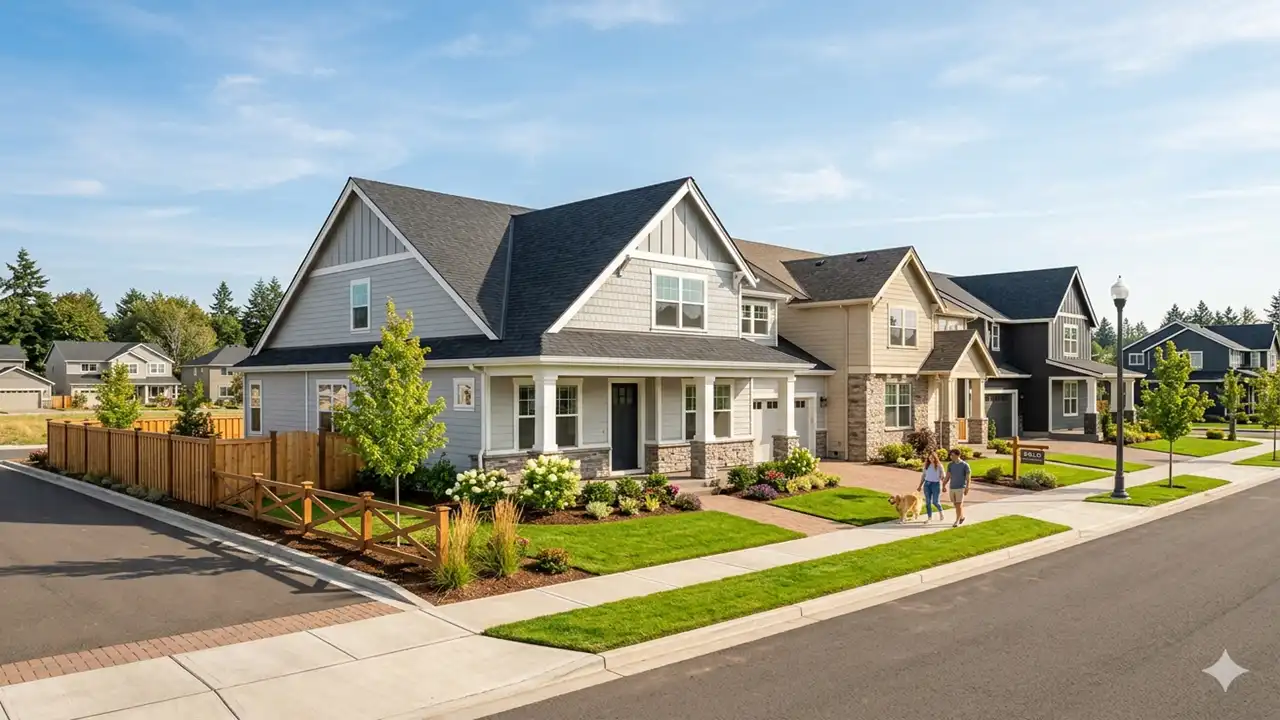
Embarking on the journey to find your dream home can be exhilarating yet challenging, especially with the plethora of property options available in today’s market. Let’s delve into the diverse types of properties you might encounter and how each can cater to your unique lifestyle needs.
Understanding the variety of properties can make your decision-making process a bit smoother. From the charm of a historical home to the sleek lines of a modern condo, each property type offers distinct features and benefits.
Types of Properties Available in the Current Market
In the real estate landscape, options abound. Here are some common types of properties you might consider:
- Single-Family Homes: Ideal for privacy and space.
- Condominiums: Perfect for low-maintenance living.
- Townhouses: A blend of condo convenience and single-family charm.
- Multi-Family Properties: Great for investment and rental income.
- Luxury Estates: The epitome of elegance and exclusive living.
The Pros and Cons of New Constructions vs. Existing Properties
Choosing between a fresh, newly minted home and an existing property is a crucial decision. Each option has its perks and drawbacks.
| Aspect | New Constructions | Existing Properties |
|---|---|---|
| Customization | High customization opportunities | Limited to renovations |
| Maintenance | Minimal maintenance initially | Potential higher repair costs |
| Charm and Character | Modern aesthetics | Historic charm and unique features |
The Benefits of Living in a Planned Community
Planned communities offer a unique living experience with their own set of advantages:
- Amenities: Often include parks, pools, and recreational areas.
- Community Atmosphere: Foster a sense of belonging and neighborly connections.
- Consistent Aesthetics: Ensures a visually appealing environment.
Planned communities are designed with residents in mind, creating a harmonious blend of convenience and community.
Evaluating the Potential of a Fixer-Upper
A fixer-upper can be a diamond in the rough, offering a unique opportunity for creativity and value increase. Here’s how to approach it:
“A fixer-upper is not just a project; it’s a canvas for your dream home.”
When evaluating a fixer-upper, consider:
- Structural Integrity: Ensure the foundation and key systems are sound.
- Renovation Costs: Accurately estimate potential expenses.
- Location and Market Potential: Assess the neighborhood’s growth and desirability.
With the right vision and investment, a fixer-upper can transform into a rewarding abode that truly feels like home.
Navigating the Home Buying Process
Embarking on the journey to purchase a new home is both thrilling and daunting. With the right knowledge and tools, you can transform this complex process into an exciting adventure.
Let’s break down the home buying process into manageable steps, so you feel confident every step of the way.
A Step-by-Step Guide to the Home Buying Process
From your first search to the final closing, navigating the path to homeownership involves several critical steps. Here’s your roadmap:
- Initial Research: Start by exploring neighborhoods and identifying key features you desire in a home.
- Financial Preparation: Secure pre-approval from a lender to know your budget and show sellers you’re a serious buyer.
- Home Search: Utilize online platforms and open houses to find properties that meet your criteria.
- Making an Offer: Craft a compelling offer, often with the guidance of your real estate agent, to catch the seller’s attention.
- Home Inspection: Arrange for a professional inspection to identify any hidden issues with the property.
- Negotiation: May involve renegotiating terms based on inspection results or other factors.
- Finalizing the Deal: Complete a final walkthrough, arrange for closing costs, and sign the necessary paperwork to officially own your new home.
The Role of a Real Estate Agent
A real estate agent can be your greatest ally in the home buying process. They provide insights into the market, help negotiate deals, and ensure a smooth transaction. To choose the right agent:
- Research and compare agents based on their experience and client reviews.
- Interview several agents to find one who understands your needs and communicates well.
- Ensure they have a thorough knowledge of the neighborhoods you’re interested in.
Tips for Making a Competitive Offer
In a competitive market, your offer needs to stand out. Here’s how to make it compelling:
- Offer a price that reflects the property’s true value.
- Consider an escalation clause to automatically increase your bid if competing offers arise.
- Include a personal letter to the seller expressing your love for the home and community.
- Be flexible with the closing date to accommodate the seller’s needs.
Checklist for Finalizing the Purchase of a New Home
Before you pop the champagne, ensure you’ve covered these essential final steps:
- Complete a thorough final walkthrough to verify all agreed repairs are complete.
- Review all closing documents for accuracy.
- Arrange for home insurance coverage before closing.
- Transfer utilities to your name and schedule move-in logistics.
- Secure all keys, garage openers, and any necessary codes on closing day.
Remember, patience and careful planning are your best allies on this journey to find your dream home!
Preparing for Relocation
Embarking on the adventure of relocating to your new dream home is an exciting journey. To make this transition as seamless as possible, it’s crucial to plan and organize every step of the move.
Let’s dive into strategies that will help you prepare efficiently, ensuring you start your new chapter on the right foot.
Creating a Timeline for a Smooth Move
Having a structured plan is essential when preparing for relocation. Start by developing a timeline that artikels all major tasks leading up to the moving day. By doing so, you can alleviate the stress that comes with last-minute rushes and unexpected surprises.
- 8 weeks out: Begin by decluttering your home. Decide what items you’ll keep, donate, or discard.
- 6 weeks out: Research and hire a reliable moving company, or organize a rental truck if you plan to move yourself.
- 4 weeks out: Start packing non-essential items and collect important documents.
- 2 weeks out: Confirm your moving date with the moving company and finalize travel arrangements.
- 1 week out: Pack an essentials box with items you’ll need immediately upon arrival.
Strategies for Efficient Packing and Organization
Packing might seem daunting, but with some smart strategies, you can tackle it like a pro. The key is to stay organized and efficient, making your unpacking process a breeze.
- Label boxes clearly with the contents and the room they belong to.
- Use color-coded stickers for each room to easily identify where boxes should go.
- Pack one room at a time to keep things organized.
- Use clear plastic bins for items you’ll need right away, as they are easier to identify during the chaos of moving day.
Setting Up Utilities and Services
Before moving into your new home, ensure that all essential services and utilities are up and running. This will help you settle in comfortably without any interruptions.
- Contact utility providers (electricity, water, gas) at least two weeks before moving to schedule the connection.
- Set up appointments for cable and internet installation as these might take a few days to schedule.
- Transfer or set up a new account for trash collection and recycling services.
Familiarizing Yourself with the New Community
Moving to a new neighborhood means discovering a whole new community. Familiarizing yourself with the area will help you feel at home more quickly and start building connections.
- Take a stroll or drive around your neighborhood to explore local amenities, parks, and shops.
- Join community groups or local social media pages to stay updated and meet new people.
- Visit local community centers or attend events to get a feel for the local culture and activities.
- Consider volunteering in local organizations to integrate into the community while contributing positively.
“Home is where the heart is, but it’s also where community thrives.”
Summary
As you venture into the realm of home buying, remember that every step you take brings you closer to unlocking the door to your dream property. From understanding market trends to making a competitive offer, each piece of knowledge and effort invested is a brick laid in the foundation of your future home. So, arm yourself with these insights, trust the process, and soon enough, you’ll be turning the key to a new chapter in your life. Happy house hunting!

